
Harnessing M. luteus in an In-situ Bioremediation Technique to Reduce Environmental Contamination by Total Petroleum Hydrocarbons
DOI:
https://doi.org/10.58445/rars.76Keywords:
sustainability, bioremediation, environmental, pretroleumAbstract
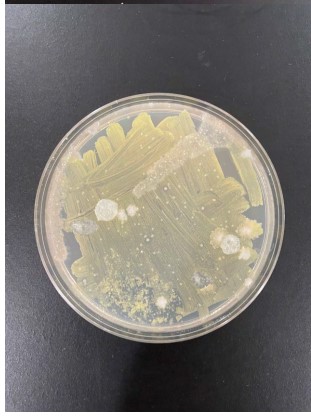
Many parts of the world are subject to increasing petroleum pollution which affects some places more than others. Bioremediation is one of the methods that can be used to combat the incurred negative effects, but not all countries have the money to spend on such endeavors. Furthermore, it is known that countries with developing economies rely heavily on agriculture as their main industry. For example, many parts of southern India are agriculturally-based economies. Petroleum pollution has also been an issue in such places. Exposing agricultural lands to such a pollutant can harm the local economies, not to mention it is a health hazard for locals. This study calls for an evaluation of the effectiveness of M. luteus in an in-situ bioremediation approach as opposed to ex-situ. In-situ bioremediation is completed in the environment as opposed to ex-situ which is done in a lab setting. In recent years, many ex-situ techniques have been proposed and implemented, but the issue with these is that the process is overbearing in terms of time. An in-situ technique can be implemented directly into the environment which is more efficient than the constant removal and addition of environmental content. The methods will involve M. luteus cultured in plates uncontaminated and contaminated by petroleum. Observing the difference in growth between different conditions will provide insight into the relative efficacy of M. luteus in a petroleum-polluted environment.
Downloads
Posted
Versions
- 2022-12-24 (2)
- 2022-11-21 (1)
Categories
License
Copyright (c) 2022 Rithvik Akella

This work is licensed under a Creative Commons Attribution-NonCommercial-NoDerivatives 4.0 International License.